Spiderweb Crochet Dishcloth: Easy Free Pattern Guide
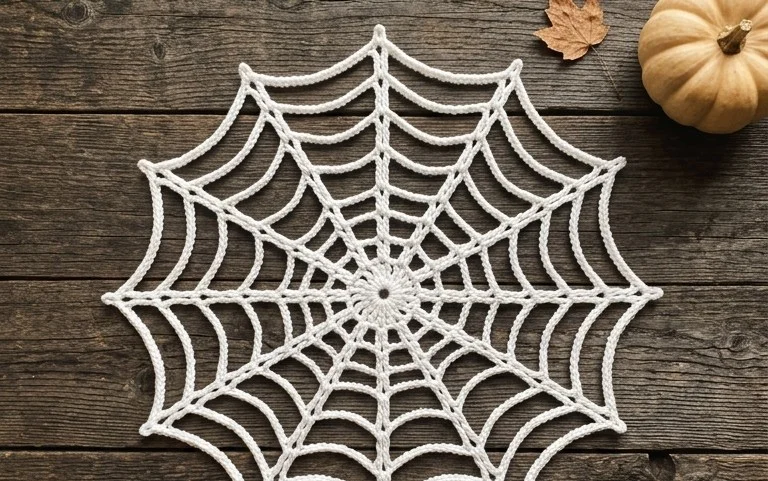
These lacy, open-work mats resemble delicate frost patterns or gossamer webs caught in the morning dew, adding a touch of rustic charm to any kitchen counter. They feel remarkably light in the hand yet provide enough scrubbing power to tackle daily messes. This project suits beginners who want to practice counting chains and mastering consistent tension across long rows. Making these provides a sense of quiet accomplishment as the geometric design grows beneath your hook. You will learn to manipulate basic stitches to create airy gaps and solid borders without following a traditional, complex graph.
Why You’ll Love This Pattern
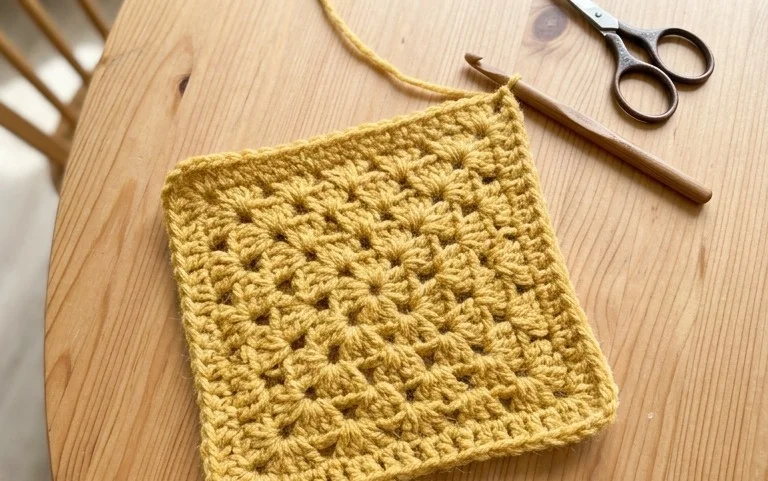
This classic crochet dishcloth is designed using the linen stitch, also known as the moss stitch, which creates a dense yet flexible fabric that is ideal for scrubbing dishes. Because it uses only basic chains and single crochet stitches, it is a low-stress project that allows you to establish a rhythmic, meditative pace. The construction is worked in flat rows, making it easy to put down and pick up between chores. Cotton yarn provides the necessary absorbency and heat resistance for kitchen tasks, while the finished texture offers just enough friction to lift stuck-on food without scratching delicate surfaces.
I finished this dishcloth in just one evening while watching television. The texture is much better than store-bought options and it washes beautifully in the machine.
— Sarah, home crafter
Pattern Overview & Skill Level
- Skill Level: Beginner
- Approximate Time: 1 to 2 hours
- Construction: Worked in flat rows back and forth with a turning chain
- Finished Dimensions: 8 inches by 8 inches
Materials & Supplies Needed
- Yarn: Worsted #4 weight, 100% cotton, approximately 60 yards.
- Hook Size: 5.0 mm / H-8
- Notions: Tapestry needle for weaving in ends, sharp scissors.
- Yarn Substitutions: You may use a cotton-acrylic blend for a softer feel, though it will be slightly less absorbent. Avoid wool, as it will felt when exposed to hot water and frequent washing.
Stitch Guide & Abbreviations (US Terms)
- ch: chain
- sc: single crochet
- st/sts: stitch/stitches
- sk: skip the indicated stitch
- sp: space (the gap created by a ch-1)
- Linen Stitch: A pattern of [sc, ch 1, sk 1] repeated across the row.
Step-by-Step Pattern Instructions
Main Body
- Row 1: Ch 31. Sc in the 4th ch from the hook. *Ch 1, sk 1 ch, sc in the next ch. Repeat from * across the row. Turn. (15 sc, 14 ch-1 spaces)
- Row 2: Ch 2. Sc in the first ch-1 space. *Ch 1, sk 1 sc, sc in the next ch-1 space. Repeat from * across. Place the final sc in the space created by the turning chain from the previous row. Turn. (15 sc, 14 ch-1 spaces)
- Rows 3–30: Repeat Row 2 until the piece measures 8 inches long.
Finishing
Once you reach the desired length, fasten off your yarn, leaving a 6-inch tail. Use your tapestry needle to weave the tail back through the base of the stitches on the wrong side of the cloth to secure it. Trim any excess yarn close to the fabric surface.
Care & Washing Instructions
- Machine wash on a warm setting with similar colors.
- Tumble dry on low heat or lay flat on a towel to air dry.
- Reshape the cloth by pulling the corners gently while it is damp to ensure it remains square.
Pro Tips & Common Mistakes to Avoid
Maintain consistent tension throughout the project, as the linen stitch relies on uniform gaps to keep the edges straight. It is common for beginners to accidentally skip the final stitch at the end of a row, which will cause your dishcloth to narrow over time; use a stitch marker in the first and last stitch of each row to help you identify where to place your hook. When weaving in your ends, run the needle through at least three different directions within the stitches to prevent the yarn from unraveling during heavy-duty scrubbing. If you want a larger cloth, simply increase your starting chain to any odd number and continue working until you achieve your preferred dimensions; note that increasing the size will require additional yardage.
Frequently Asked Questions
Can I use a different yarn weight for this pattern?
You can use DK or bulky weight yarn, but you will need to adjust your starting chain count to match the desired 8-inch width and change your hook size to coordinate with the yarn label requirements.
Why do my edges look wavy instead of straight?
Wavy edges usually result from working too tightly into the turning chain spaces or adding extra stitches at the ends of rows. Ensure you are only placing one stitch in the designated chain-space.
Is this pattern suitable for someone who has never crocheted before?
Yes, this is an ideal starter project because it uses only two basic skills—the chain stitch and the single crochet—which are the building blocks for almost all crochet patterns.
Am I allowed to sell the dishcloths I make from this pattern?
You are welcome to sell finished items made from this pattern, provided you credit the design. Please do not sell or distribute the pattern document itself.
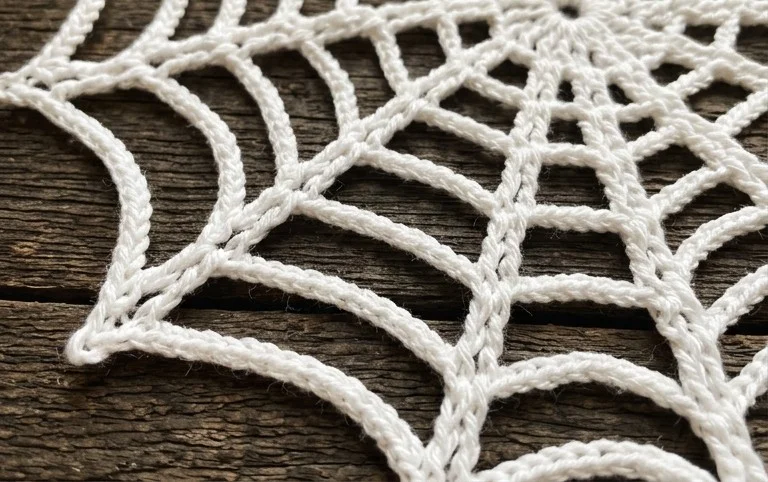
Your finished dishcloth brings a functional, handmade aesthetic to your home that feels satisfying every time you reach for it. You can experiment with different shades like variegated blues for a cooler tone or earthy browns to match a wood kitchen decor. Try using a slightly thicker cotton cord if you prefer a scrubbier surface for heavy-duty cleaning. Sharing a photo of your work helps other makers find their next project. Visit my archives for more free patterns to fill your afternoon.