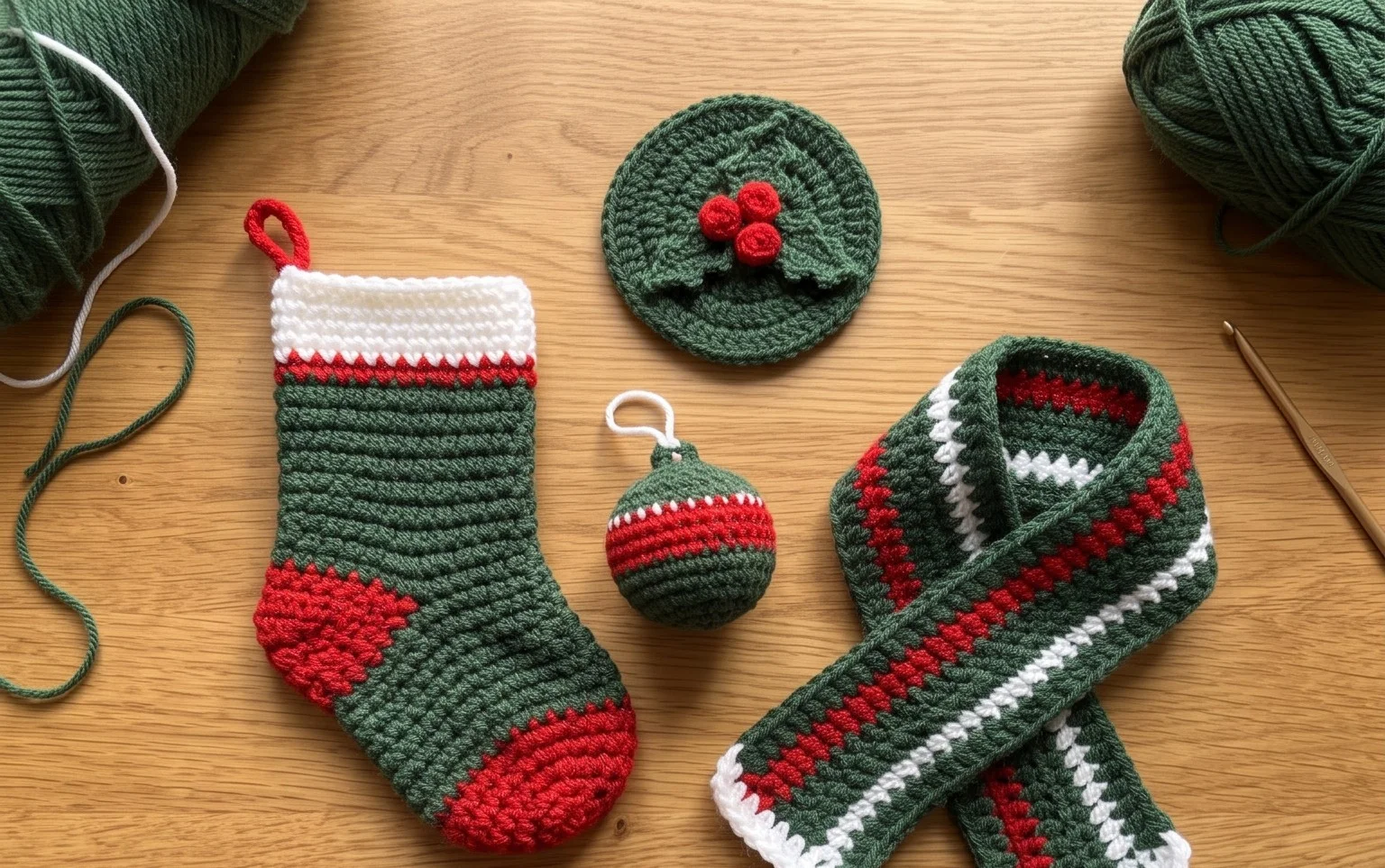
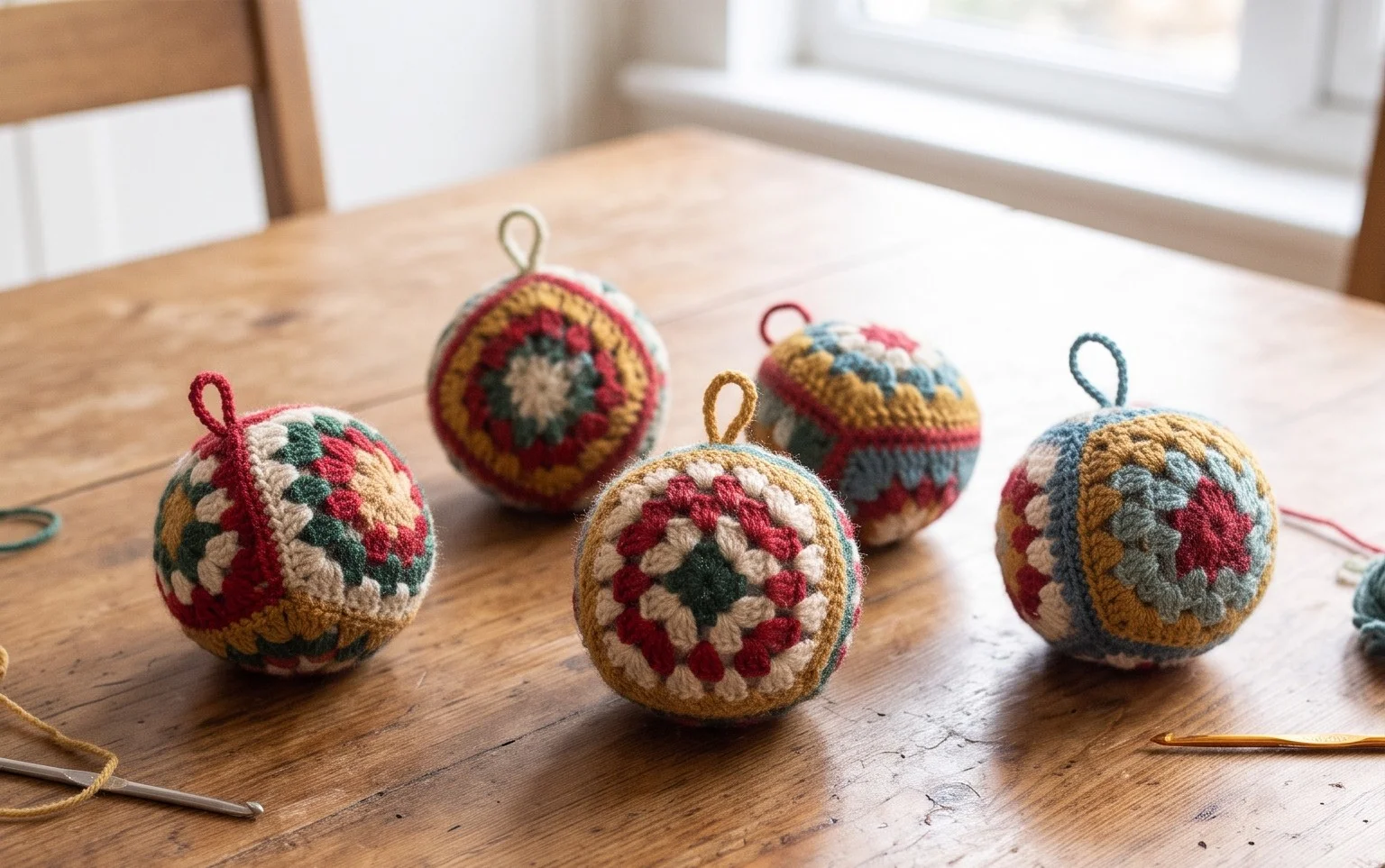
Easy Neutral Beanies: Free Step-by-Step Crochet Patterns
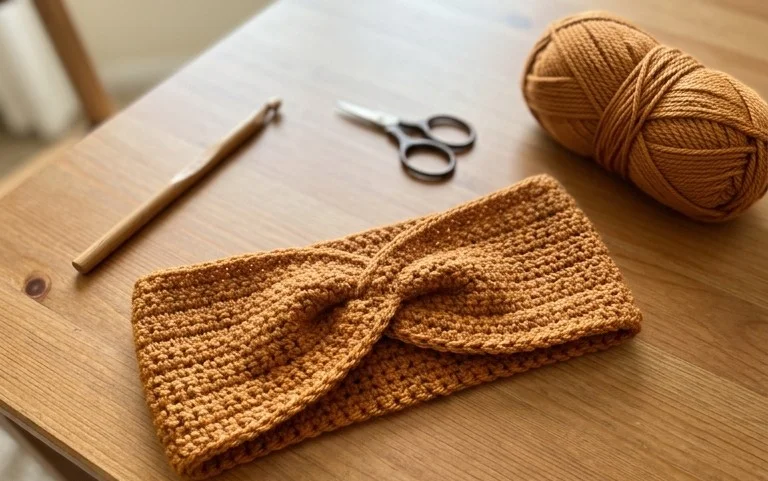
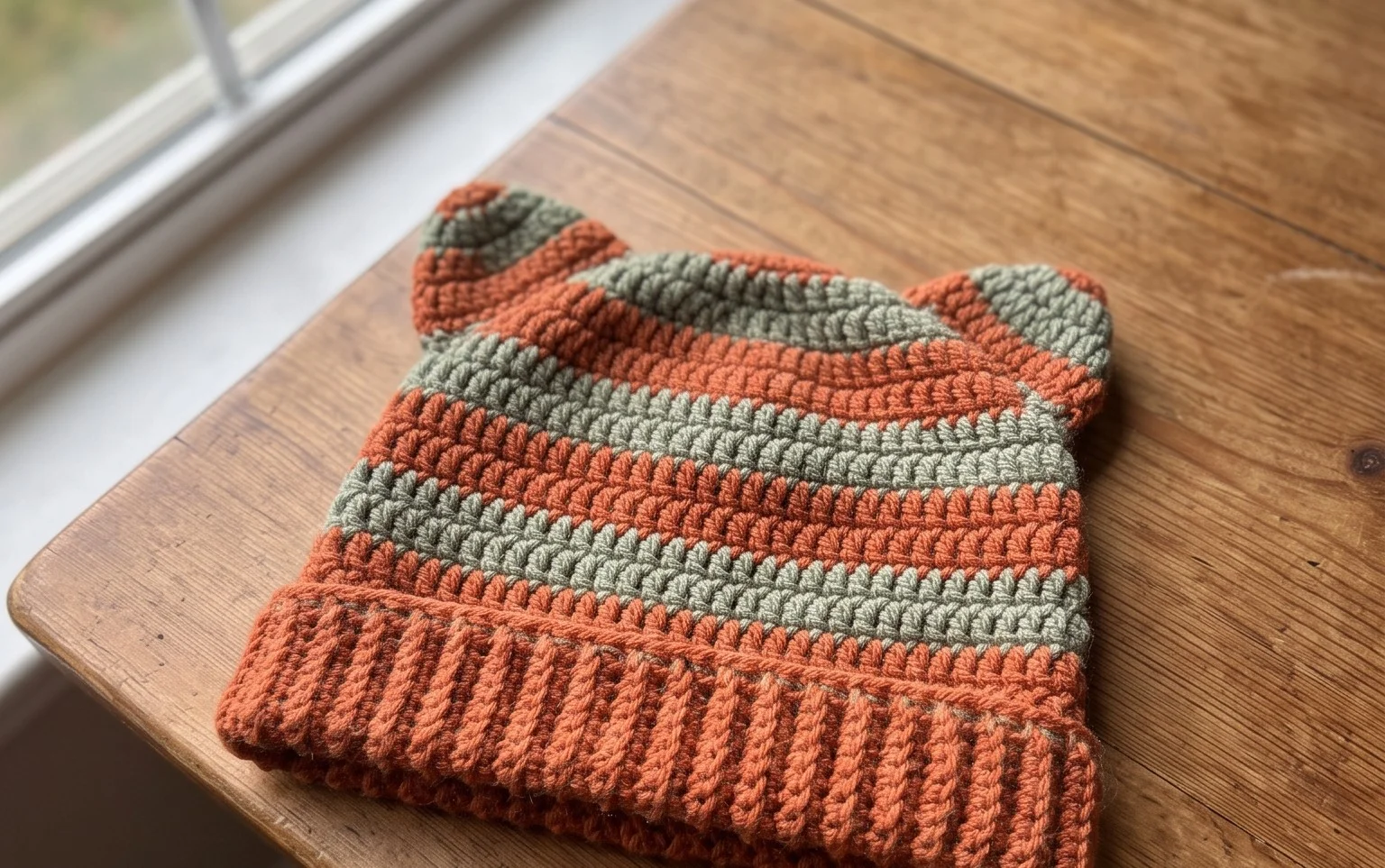
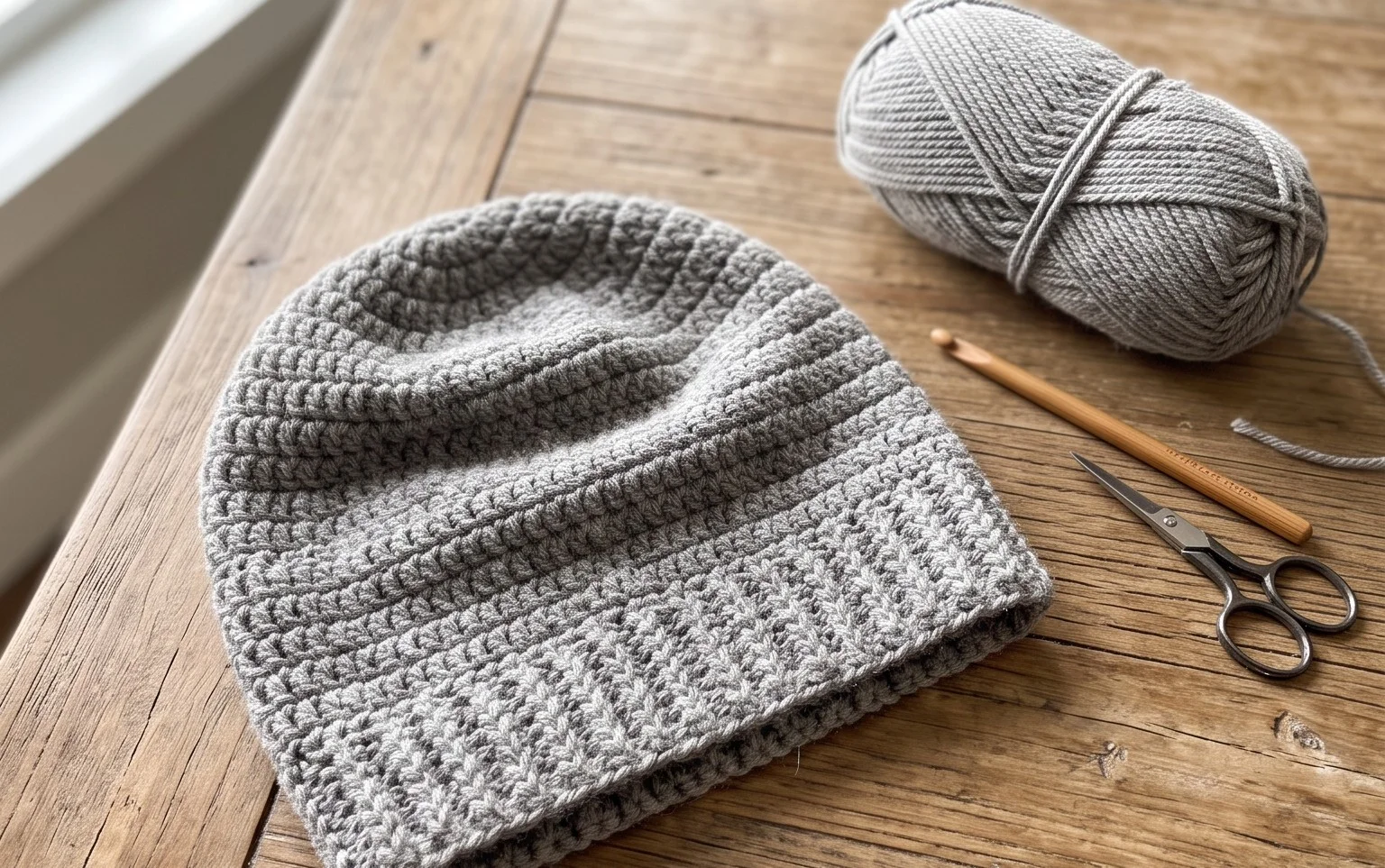
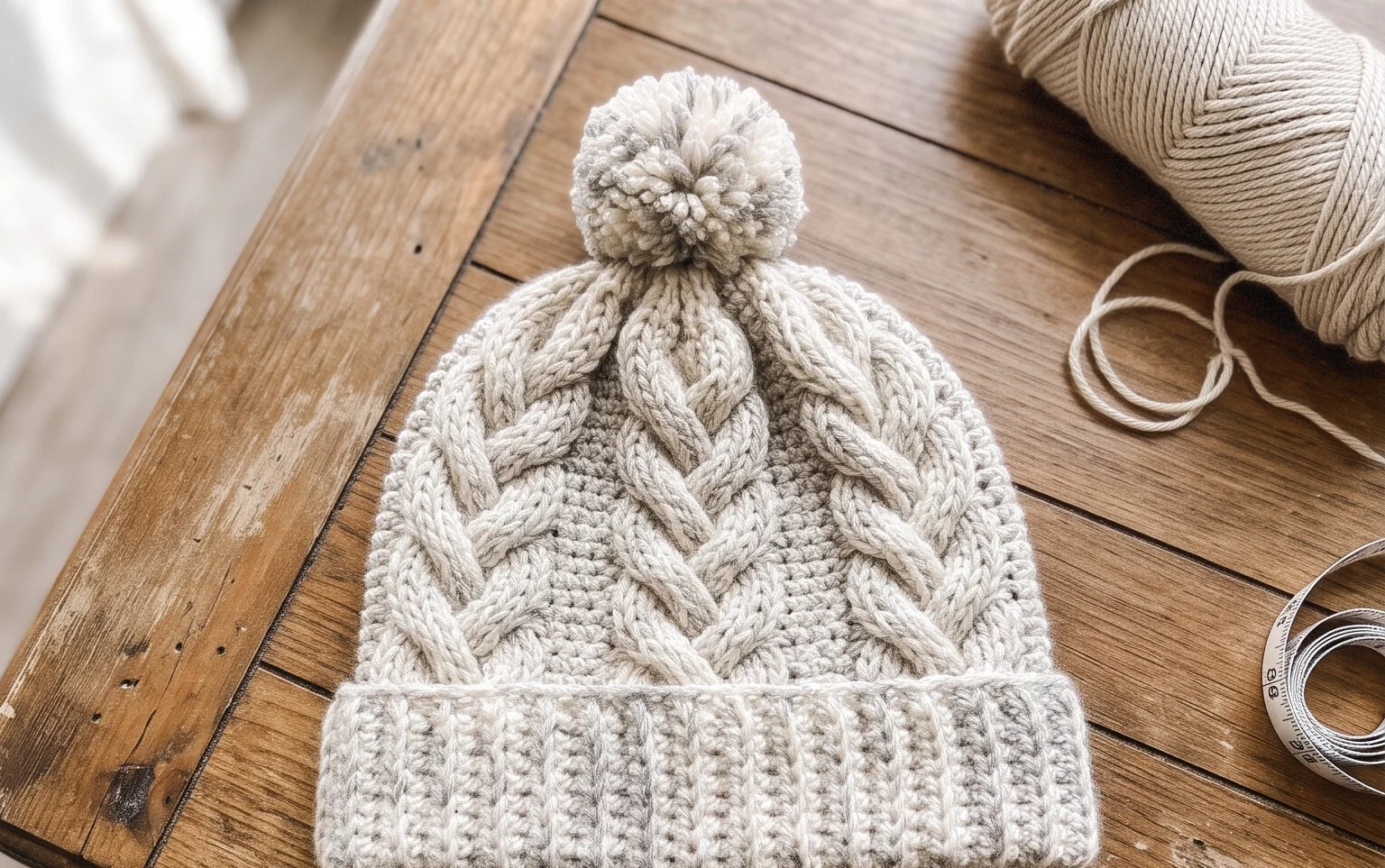
A soft beanie in oatmeal or light grey wool provides a quiet, reliable layer against the biting cold of late autumn afternoons. These understated accessories sit flat against the scalp, avoiding the bulkiness of overly ornate headwear while keeping your ears warm. Whether you are a beginner picking up a crochet hook for the first time or a long-time maker looking for a relaxing weekend project, these designs offer a clean aesthetic that pairs with any coat. You will master the basic half-double crochet stitch here, creating a dense fabric that holds its shape through many winters.
Why You’ll Love This Pattern
This classic crochet dishcloth relies on the durable linen stitch, which creates a dense yet flexible fabric that scrubs effectively without scratching surfaces. Because it uses a simple alternating sequence of single crochet and chain stitches, it serves as an excellent project for practicing consistent tension. It is a highly portable project, making it ideal for travel or squeezing in a few rows while waiting for an appointment. The textured surface provides extra friction for cleaning dishes, and the cotton fiber ensures it can withstand frequent hot water exposure and machine washing.
I managed to whip up three of these in a single afternoon while listening to a podcast. The linen stitch pattern is so meditative once you get into the rhythm, and the final fabric is much sturdier than the store-bought sponges I usually buy.
— Sarah, home crafter
Pattern Overview & Skill Level
- Skill Level: Beginner
- Approximate Time: 1 to 2 hours
- Construction: Worked in flat rows back and forth, starting from a foundation chain
- Finished Dimensions & Sizing: 8 inches by 8 inches square
Materials & Supplies Needed
- Yarn: Worsted weight (#4) 100% cotton yarn, approximately 75 yards.
- Hook Size: 5.0 mm (US H-8).
- Notions: Tapestry needle for weaving in ends, scissors, and an optional stitch marker to help keep track of the turning chain.
- Safe yarn substitutions: You may use a cotton-acrylic blend for a softer feel, though it will be slightly less absorbent than 100% cotton. Avoid wool, as it will felt when exposed to high-heat dishwashing tasks.
Stitch Guide & Abbreviations (US Terms)
- ch: chain
- st: stitch
- sc: single crochet
- sk: skip the indicated stitch
- sl st: slip stitch
- Linen Stitch: Also known as the moss stitch; a sequence of alternating single crochet stitches and chain spaces.
Step-by-Step Pattern Instructions
Dishcloth Body
- Foundation: Ch 36.
- Row 1: Sc in the 4th ch from the hook, *ch 1, sk 1 ch, sc in the next ch; repeat from * across to the end. Turn. (18 sc, 17 ch-1 spaces)
- Row 2: Ch 2, sc in the first ch-1 space, *ch 1, sk the next sc, sc in the next ch-1 space; repeat from * across, finishing with an sc in the turning chain space. Turn. (18 sc, 17 ch-1 spaces)
- Rows 3–32: Repeat Row 2 until the piece measures approximately 8 inches tall.
- Finishing Row: Ch 1, sc in every stitch and ch-1 space across to create a solid border edge. Fasten off.
Assembly and Weaving
Once you reach the final row, cut your yarn, leaving a 6-inch tail. Pull the tail through the final loop to secure it. Thread the tail onto your tapestry needle and weave it back and forth through the base of the final row stitches on the back side of the fabric. Repeat this for your starting tail to ensure the edges remain secure through repeated washings.
Care & Washing Instructions
- Machine wash in warm water on a gentle cycle to remove oils and food particles.
- Lay the dishcloth flat on a towel to air dry, ensuring it is reshaped into a square before drying.
- Avoid using fabric softener, as it leaves a waxy coating that reduces the natural absorbency of the cotton fiber.
Pro Tips & Common Mistakes to Avoid
- If you find your edges are curling, your chain stitches are likely too tight. Use a hook one size larger specifically for your foundation chain to keep the starting edge loose.
- Always place a stitch marker in the first chain space of each row. This helps you identify exactly where to place the final single crochet, preventing the edges from slanting inward.
- Weave your ends in multiple directions, rather than just straight across, to prevent them from unraveling during aggressive scrubbing.
- To adjust the size, simply start with an even number of chains. Adding or subtracting chains will change the width, while adding or subtracting rows will change the height. Remember that a larger cloth will require more than the recommended 75 yards of yarn.
Frequently Asked Questions
Can I use a different yarn weight for this pattern?
Yes, you can use a lighter or heavier yarn, but you will need to adjust your starting chain count and the total number of rows to achieve the desired 8-inch width and height. A thinner yarn will require more stitches to cover the same area.
Why is my square turning into a trapezoid?
This usually happens because you are accidentally skipping the last stitch or the turning chain space at the end of your rows. Always count your stitches at the end of each row to ensure you have 18 single crochets every time.
Is this pattern suitable for someone who has never held a hook?
Yes, this is an ideal first project. It only requires the single crochet stitch and the chain stitch, allowing you to focus on developing muscle memory and even tension without learning complex stitch patterns.
Can I sell the dishcloths I make using this pattern?
You are welcome to sell finished items made from this pattern as long as you credit the design. Please do not sell or redistribute the pattern text itself.
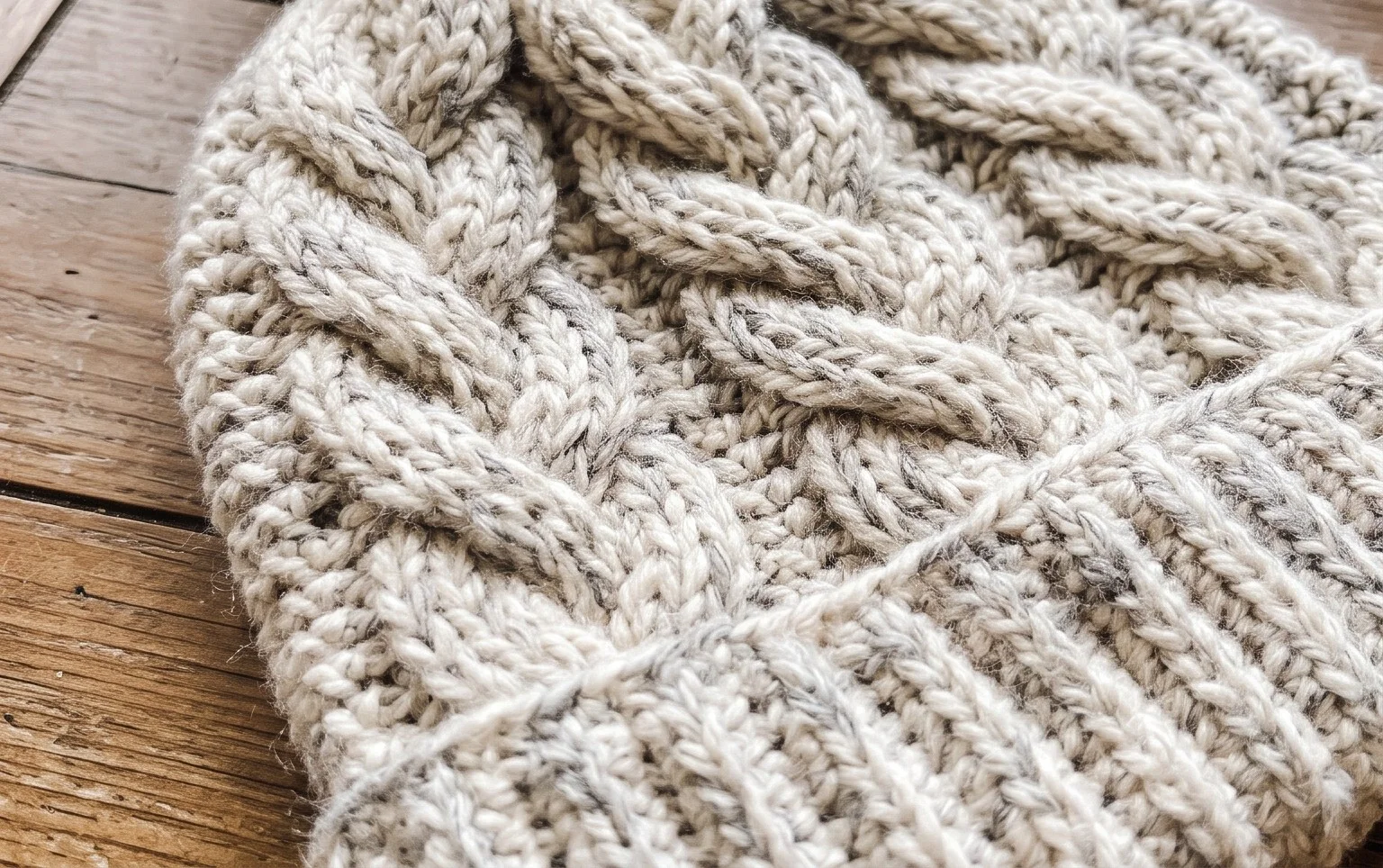
Your finished hat feels substantial and fits snugly enough to stay in place during windy walks to the coffee shop. Try working your next version in a charcoal alpaca blend if you prefer extra weight and a slightly fuzzy halo around the stitches. Snap a clear photo of your work on your kitchen table and post it to Instagram or your favorite crafting board so others can see how the yarn color looks in natural light. Browse the rest of the blog archives for more accessible winter accessory designs.