11 Easy Knitted Dog Sweater Patterns for All Sizes
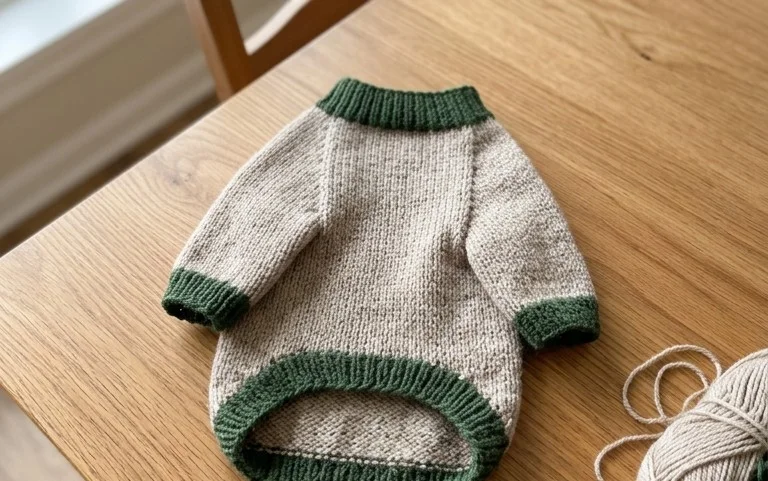
A hand-knitted sweater provides a layer of warmth for your dog during chilly morning walks and fits snugly enough to stay comfortable while they play. These designs prioritize simple construction methods that allow beginners to finish a functional garment in just a few evenings. You will find that working with wool or cotton blends creates a soft texture that holds its shape wash after wash without stretching out. These projects rely on basic knit and purl stitches, helping you practice your gauge while creating something practical. Whether you are crafting for a small terrier or a larger breed, these patterns simplify the process of measuring, shaping, and finishing each piece.
Why Crocheters Love It
This beginner-friendly project creates a classic, durable cotton washcloth that works up in less than an hour. The stitch pattern relies on a simple combination of single crochet and chain stitches, making it an ideal choice for practicing consistent tension. Because it uses medium-weight cotton, the finished fabric provides the exact amount of scrubbiness needed for daily use in the kitchen or bath. It is also an excellent stash-buster, as a single cloth requires less than one standard skein of yarn.
I managed to finish three of these over the weekend while listening to audiobooks. The texture is perfect for scrubbing dishes without scratching the surface.
— Sarah, hobbyist maker
Pattern Overview & Skill Level
- Skill Level: Beginner
- Approximate Time: 45–60 minutes
- Construction: Worked in rows from the bottom up, featuring a simple seed-stitch variation
- Finished Dimensions: 8 inches by 8 inches
Materials & Supplies Needed
- Yarn: Worsted weight (#4) 100% cotton yarn, approximately 75 yards.
- Hook Size: 5.0 mm (US H-8).
- Notions: Tapestry needle for weaving in ends, scissors.
- Safe yarn substitutions: You may use a cotton-acrylic blend for a softer feel, though 100% cotton remains the most absorbent choice for washing purposes. Using a lighter weight yarn will result in a smaller cloth, so adjust your starting chain if necessary.
Stitch Guide & Abbreviations (US Terms)
- ch = chain
- st(s) = stitch(es)
- sc = single crochet
- sk = skip
- turn = turn your work at the end of the row
- Seed Stitch: A pattern created by alternating single crochet and chain stitches to create a bumpy, durable texture.
Step-by-Step Pattern Instructions
Washcloth Body
The cloth is worked back and forth in rows. The turning chain does not count as a stitch.
- Foundation: Ch 31.
- Row 1: Sc in the second ch from the hook, *ch 1, sk next ch, sc in next ch; repeat from * across to end. Turn. (16 sc, 15 ch-1 spaces)
- Row 2: Ch 1, sc in the first sc, sc in the first ch-1 space, *ch 1, sk next sc, sc in next ch-1 space; repeat from * across until one sc remains, sc in the last sc. Turn. (16 sc, 15 ch-1 spaces)
- Rows 3–30: Repeat Row 2 until the piece measures 8 inches square.
- Finishing: Fasten off, leaving a 6-inch tail. Use your tapestry needle to weave the tail through the back of the stitches to secure it.
Care & Washing Instructions
- Machine wash in warm water on a gentle cycle to maintain the integrity of the cotton fibers.
- Tumble dry on low heat or lay flat on a clean towel to air dry to prevent shrinkage.
- Reshape the square while damp if the edges curl, or use a cool steam iron if a crisp finish is preferred.
Pro Tips & Common Mistakes to Avoid
- Maintain consistent tension: Cotton yarn has very little stretch. If your stitches look too tight, move up a half-size in hook diameter to allow the fabric to remain flexible and soft.
- Use stitch markers: Place a marker in the first stitch of every row to ensure you do not accidentally skip the final stitch of the row, which causes the edges of the cloth to slant.
- Weave ends securely: Because this item undergoes frequent wetting and washing, weave your yarn tails back and forth in three different directions to ensure they do not pull out over time.
- Adjusting size: You can make this project larger by adding to your foundation chain in multiples of two. Keep in mind that a larger cloth will require more yardage, so ensure you have enough yarn to complete the project before starting.
Frequently Asked Questions
Can I use wool yarn instead of cotton?
Wool is not recommended for this project. Cotton is the standard choice because it is absorbent, heat-resistant, and machine-washable, whereas wool may felt or shrink when exposed to the high temperatures required for cleaning washcloths.
How do I make the washcloth smaller?
To reduce the size, simply start with a shorter foundation chain using an odd number of stitches. Continue working the established pattern until the piece reaches your desired square dimensions.
Is this pattern suitable for complete beginners?
Yes, this is an excellent first project. It requires only the most basic crochet stitch and a single chain sequence, allowing you to focus entirely on maintaining even spacing and neat edges.
Am I allowed to sell the washcloths I make?
You are welcome to sell finished items made from this pattern at craft fairs or online shops. Please ensure you use your own photographs rather than the images provided in this tutorial.
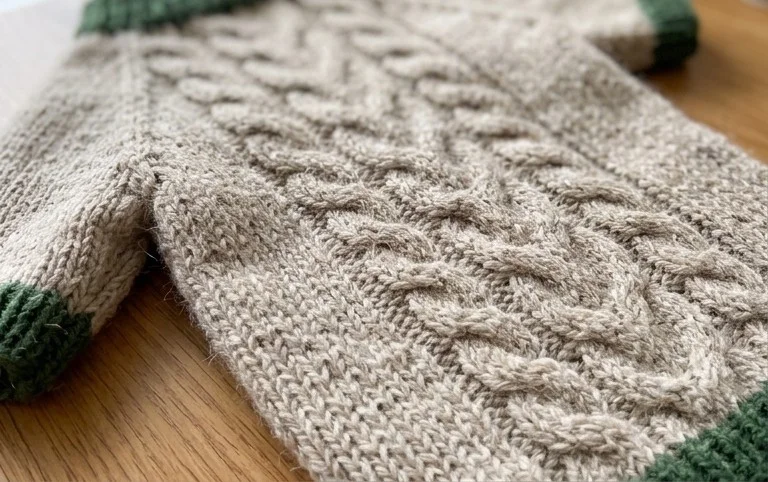
Watching your pup wear a handmade sweater brings a genuine sense of accomplishment to any afternoon spent with yarn and needles. You might experiment with contrasting striped borders or a solid earth tone to suit your dog’s personality better next time. Once you tuck in the final ends, consider posting a photo of your finished work on social media so others can see your color choices. Our blog contains many other free patterns for pet accessories and home goods waiting for your next session. Keep these instructions handy for your next cold-weather project.